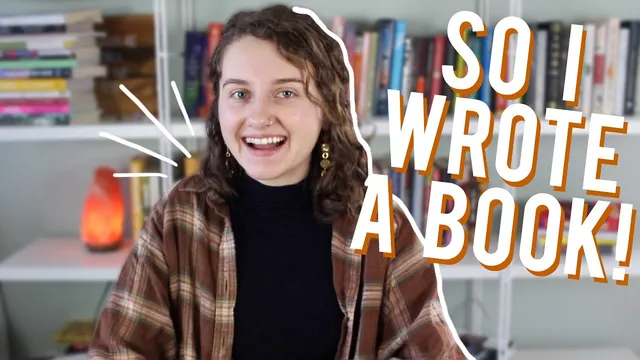
Thoughts on Finishing my First Draft | writing for myself, new process, & being happy
Based on ShaelinWrites's video on YouTube. If you like this content, support the original creators by watching, liking and subscribing to their content.
“Honey Vinegar” took 18 months, but the biggest change was shifting from outline-driven, fast drafting to slower discovery writing informed by short fiction.
Briefing
Finishing a first draft of “Honey Vinegar” took 18 months, but the real breakthrough wasn’t speed—it was a shift in how Jalen writes and how she trusts herself. After years of drafting quickly, outlining heavily, and then growing frustrated with the results, she found that writing short fiction trained her to draft more intuitively, sink deeper into story decisions, and stop relying on “crutches” like outlines. That change set the stage for a novel process that felt closer to discovery writing than to rigid planning.
Her timeline shows how the new approach unfolded under real constraints. She began drafting in October 2018 after registering for a fourth-year novel workshop she didn’t initially want—she was thriving in short fiction and lacked a novel idea. The first chapters arrived fast: once she started writing, ideas “would not stop,” and each small step forward produced exponential clarity about characters, plot, and even the ending. She initially planned to draft the first 10,000 words and then outline the rest, but she abandoned that plan, saying the discovery method was both more fun and connected to her best writing so far.
The draft moved through a workshop-and-revision cycle that shaped what could be workshopped. She revised early chapters (1–3) for school feedback, then later revised chapters 4–5, while the rest of the book continued drafting through spring and summer. Chapter 10 became her biggest roadblock; she got unstuck by forcing herself to write through the knot rather than staring at it—untangling the problem by continuing the draft. By August she finished part one (through the end of chapter 13), then took a break while rewriting her earlier novel, “Someone Will Save You.”
Workshop feedback played a key role, especially early on. She received input for roughly the first third of the manuscript, and she credits it with preventing major oversights. But because the story kept changing dramatically during discovery writing—she even altered the time period—the later sections would have been confusing to workshop from the earlier version. To manage revision load, she also edited “as she wrote,” and she ultimately completed part two from late December through early March.
Beyond craft, the biggest lesson was psychological: she stopped writing for imagined approval. She realized she had previously second-guessed choices based on what “other people” might think, even letting that anxiety affect story events. With “Honey Vinegar,” she trusted her vision, worried far less about hypothetical readers, and felt confident enough to love the work while it was still unfinished. She describes a pattern of early overconfidence followed by doubt and limping to the finish line—followed by hating the book later—but says this time she reached genuine pride. The novel, paired with her short fiction collection, taught her to respect her own work, “write selfishly” in the sense of writing for her artistic conviction, and accept that loving a draft doesn’t require earning permission. The result: not just a completed first draft, but a more stable relationship with her creativity—and a decision to care less about outside judgment.
Cornell Notes
“Honey Vinegar” took 18 months to draft, and the process changed more than the calendar. After years of outlining and writing quickly—then getting upset with the results—Jalen leaned into discovery writing shaped by her short fiction practice, where she didn’t rely on outlines and could draft more intuitively. Workshop deadlines forced her to start without a clear novel idea, but once drafting began, ideas arrived rapidly and each small writing step clarified characters, plot, and even the ending. She hit one major stuck point at chapter 10, then overcame it by continuing the draft to untangle the problem. The biggest shift was emotional: she stopped writing to please imagined readers and learned to respect and love her own work while it was still imperfect.
How did writing short fiction change Jalen’s novel-drafting process for “Honey Vinegar”?
What role did workshop requirements play in shaping the draft and revision plan?
Why did she abandon the plan to outline after drafting the first 10,000 words?
What happened at chapter 10, and how did she get unstuck?
What does she mean by “writing for herself” versus writing for other people?
What emotional pattern did she recognize from past drafts, and what changed this time?
Review Questions
- What specific writing “crutches” did she say she stopped using, and how did that affect quality and focus?
- How did the fluid nature of discovery writing influence what could be workshopped effectively?
- What strategy did she use to overcome the chapter 10 roadblock, and why did it work?
Key Points
- 1
“Honey Vinegar” took 18 months, but the biggest change was shifting from outline-driven, fast drafting to slower discovery writing informed by short fiction.
- 2
Short fiction trained her to write more intuitively and to focus more deeply on story decisions rather than rushing through them.
- 3
Workshop feedback was most useful for the early portion of the manuscript because discovery writing kept changing details (including the time period).
- 4
Chapter 10 became her main roadblock; she got unstuck by continuing to draft rather than staring at the problem, treating it like untangling hidden threads.
- 5
She stopped second-guessing story choices based on imagined readers and trusted her own artistic vision while drafting.
- 6
She learned to respect and love her own work without needing to “earn” the right to feel proud of it.
- 7
She credits the combination of her short fiction collection and “Honey Vinegar” with building a healthier relationship to her creativity and confidence.