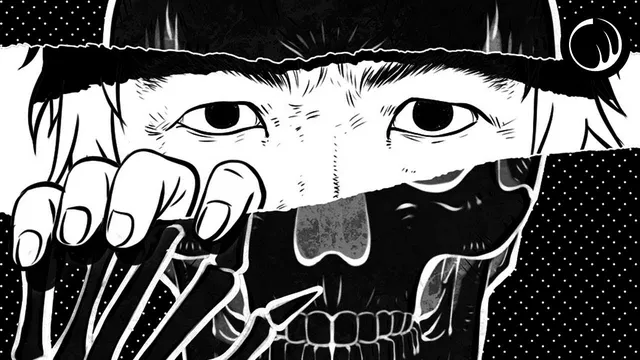
What If You Lived For 1,000 Years?
Based on Pursuit of Wonder's video on YouTube. If you like this content, support the original creators by watching, liking and subscribing to their content.
Early mortality shaped culture and behavior, but many people fell into inertia because death created mental friction between present action and future planning.
Briefing
A species capable of extraordinary creation still lived inside bodies that were soft, vulnerable, and short-lived—so mortality didn’t just end lives, it shaped how meaning was made. Early on, average lifespan hovered around 40 years, with frequent early deaths from both external damage and internal disease. Even when individuals survived long enough to build art, science, and technology, the same awareness that enabled wonder also made them recognize the grim endpoint: consciousness trapped in an organism destined to fail.
Rather than producing constant urgency, the expectation of death often created a psychological “friction” between present and future. Many defaulted into inertia, treating their time as if it would stretch indefinitely and failing to fully appreciate their circumstances. The turning point came when some people developed diagnosable conditions that couldn’t be cured—illnesses that didn’t immediately incapacitate them but sharply reduced their remaining time. When the timeline suddenly moved closer (often in midlife), life stopped feeling like a long project and started feeling like a finite resource. Those individuals tended to make major changes: speaking and acting more decisively, slowing down, and extracting more meaning from ordinary moments. The core pattern was consistent—when expectations of “how long” collapsed, the perceived value of “how to live” surged.
Over centuries, technology and medicine extended average lifespan. After roughly 500 years of progress, the species’ average life expectancy rose to about 75 years. Yet the psychological mechanism kept pace: the frame of reference expanded too, so added years didn’t automatically make life feel longer. Diseases still existed that could be diagnosed but not cured, and when people learned they would likely die in their 30s or 40s, the same response returned—major life shifts and intensified attention—despite the fact that their shortened lifespan could still match or exceed earlier generations’ full lives.
This cycle repeated as medical advances continued. Around 400 years later, average lifespan climbed to about 273 years, and again expectations rose alongside it. Uncurable conditions still occurred, typically cutting lifespans to around 70 or 80 years, and again the news of a reduced timeline triggered the same behavioral transformation. The story ultimately argues that the feeling of life’s length is not governed by biology alone. Whether the remaining time is one year or a thousand, both are treated as fractions of a “microscopic blip of eternity.” What truly changes experience is not duration but depth—how fully consciousness engages what remains when the future stops feeling guaranteed.
Cornell Notes
A short-lived, fragile biology forced an intelligent species to confront mortality early, but most people didn’t live with constant urgency. Instead, the expectation of death created mental friction between present and future, often resulting in inertia and underappreciation. A consistent exception emerged: when individuals received a diagnosis for an incurable condition that reduced their remaining time—often in midlife—they responded with sharper priorities, decisive action, and deeper attention to everyday life. As medicine extended average lifespan from ~40 to ~75, then to ~273 years, the same psychological pattern persisted because expectations expanded with new longevity. The lasting insight: life feels long or short mainly based on perceived depth and remaining time, not on the raw number of years.
Why didn’t awareness of mortality automatically make the species live more intensely?
What specific condition changed behavior, and what did it trigger?
How did medical progress affect lifespan, and why didn’t it automatically make life feel longer?
What happened when people learned they would die sooner than expected in the later eras?
What is the final claim about how to measure a life?
Review Questions
- What psychological mechanism caused many individuals to underuse their time even though death was certain?
- How does the “incurable diagnosis” function as a trigger in each era of rising lifespan?
- Why does increasing average lifespan fail to change perceived life duration in the long run?
Key Points
- 1
Early mortality shaped culture and behavior, but many people fell into inertia because death created mental friction between present action and future planning.
- 2
A sudden, diagnosable reduction in remaining time—without cure—consistently produced decisive life changes and heightened appreciation.
- 3
When medicine extended average lifespan, expectations expanded too, so added years didn’t automatically translate into a longer-feeling life.
- 4
The same urgency pattern reappeared whenever individuals learned they would die sooner than their newly raised expectations.
- 5
Uncurable diseases remained a recurring catalyst across multiple centuries, repeatedly compressing perceived time.
- 6
The narrative’s core metric is depth of living rather than the raw number of years remaining.