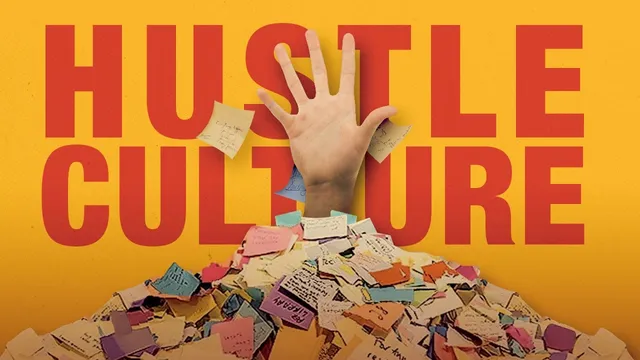
Why Gen Z is Getting Rid of Hustle Culture
Based on Mariana Vieira's video on YouTube. If you like this content, support the original creators by watching, liking and subscribing to their content.
Quality sleep is presented as essential for cognitive function, creativity, problem-solving, and memorization, and chronic sleep deprivation is linked to stress and anxiety.
Briefing
Hustle culture’s promise—more busyness equals more success—collapses under scrutiny from both mental-health and performance angles. The core message is that relentless “always-on” productivity doesn’t just fail to help; it actively undermines sleep, focus, creativity, relationships, self-esteem, and work quality. Gen Z’s growing rejection of hustle culture matters because it reframes achievement around sustainable energy and boundaries rather than exhaustion as a status symbol.
A central claim is that rest and leisure are not rewards for finishing work—they’re inputs that make high-quality work possible. Sleep is singled out as foundational for cognitive function, creative output, problem-solving, and memorization, with the warning that treating sleep as optional leads to chronic sleep deprivation and a cascade of stress and anxiety. The practical takeaway is to build a consistent night routine and protect sleep quality through a supportive sleep environment and steady schedule.
The transcript also targets common “productivity” habits as myths. Multitasking is dismissed as a non-existent skill, replaced by task switching that causes losses in productivity and work quality. Instead, single-tasking is recommended when work allows it, paired with better prioritization and time management—using a to-do list and calendar to dedicate focused time to one task at a time.
Another set of hustle rules—never taking breaks, saying yes to everything, and equating longer hours with greater output—gets flipped. Regular breaks and time off are presented as necessary for recharging, consolidating learning, and improving decision-making. Boundaries are framed as essential to prevent burnout: learning to say no and communicate limits helps people allocate realistic energy and time to do their best work. And “work longer” is treated as a weak proxy for productivity; what matters is efficiency and effectiveness during working hours, supported by systems that reduce distractions and focus on tasks that truly matter.
From there, the transcript lays out a “double-edged sword” view of productivity advice: when it becomes excessive, it turns into toxic productivity that fuels burnout and anxiety. The harms extend beyond the body—neglecting self-care, worsening sleep, and increasing stress—into creativity and innovation, strained relationships, and isolation. Unrealistic expectations drive self-criticism and low self-esteem through constant comparison and perfectionism. Prioritizing being busy over quality encourages rushing, corner-cutting, and subpar output that can damage professional or academic reputation.
Finally, the transcript describes the lived cost of blurred boundaries: work pressure follows people home, making it hard to switch off during personal time. A personal anecdote from motherhood underscores how role changes can force a rework of productive habits, especially when sleep deprivation and stress compound. The closing message ties the alternative to well-being tools—highlighting Aura as an all-in-one app for sleep and mindfulness—positioning sustainable routines and mental support as the antidote to hustle culture’s damage.
Cornell Notes
Hustle culture’s “always-on” productivity is portrayed as harmful to both well-being and performance. Rest—especially quality sleep—is treated as a prerequisite for focus, creativity, problem-solving, and memory, while chronic sleep deprivation feeds stress and anxiety. Common productivity myths are challenged: multitasking is reframed as task switching that reduces quality, and longer hours are said not to reliably improve output. Instead, the transcript emphasizes single-tasking, prioritization, micro-breaks, boundaries (saying no), and systems that reduce distractions. When productivity advice becomes excessive, it can erode self-care, creativity, relationships, self-esteem, work quality, and work-life balance.
Why does the transcript treat sleep as a productivity requirement rather than a personal preference?
What’s the critique of multitasking, and what alternative is recommended?
How does the transcript justify breaks and time off in a productivity framework?
What does “toxic productivity” do beyond causing burnout?
Why are longer working hours treated as a weak measure of productivity?
Review Questions
- Which specific productivity habits are labeled as myths, and what replacement behaviors are suggested?
- How does the transcript connect excessive productivity advice to downstream effects like creativity, relationships, and self-esteem?
- What practical boundary-setting strategies are recommended to prevent burnout and protect work-life balance?
Key Points
- 1
Quality sleep is presented as essential for cognitive function, creativity, problem-solving, and memorization, and chronic sleep deprivation is linked to stress and anxiety.
- 2
Multitasking is reframed as task switching that reduces productivity and work quality; single-tasking is recommended when possible.
- 3
Regular micro-breaks and time off are treated as necessary for recharging, consolidating learning, and improving decision-making.
- 4
Saying yes to everything is criticized as a burnout risk; communicating limits and saying no more often helps people accomplish more with better quality.
- 5
Working longer hours is not treated as a reliable path to higher productivity; efficiency, effectiveness, and distraction-reducing systems matter more.
- 6
Toxic productivity advice is described as harming self-care, creativity, relationships, self-esteem, and work quality, while blurring boundaries between work and personal life.