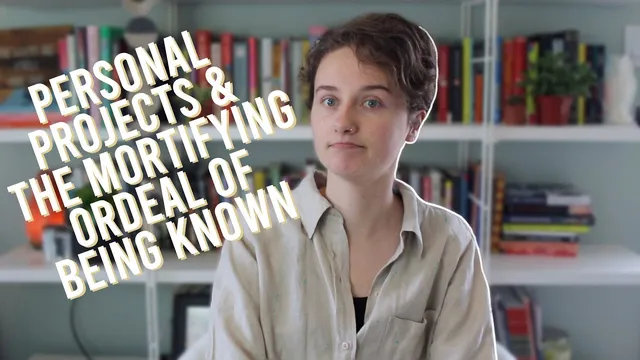
Why I'm Writing a Book that No One Will Ever Read | Personal Projects & Not Publishing Your Work
Based on ShaelinWrites's video on YouTube. If you like this content, support the original creators by watching, liking and subscribing to their content.
Publication anxiety intensifies as she gets closer to novel publishing, pulling her attention from story to reception.
Briefing
A shift from publication anxiety to private freedom is driving a new kind of writing project: ShaelinWrites is drafting a fantasy novel she never plans to publish, using it as a refuge from the pressure that comes with being read. The core idea is blunt—once the work has no audience, the “mortifying ordeal of being known” loses its grip. That emotional relief matters because it changes how she can think while writing: she can stay in the story instead of constantly scanning for how others might judge it.
For years, publication was the north star. Even as a teenager, she wrote with agents and submissions in mind, including a first book that was so rough she avoided sending a query after realizing it wasn’t ready. She kept cycling through drafts and doubt—write, edit, decide it’s not good enough, move on—while still believing the end goal was to publish. Short fiction followed the same pattern: most stories were written with submission in mind, with only a couple she felt too uncertain to send.
What changed wasn’t a sudden drop in love for writing; it was the approach to risk as she moved closer to publishing a novel. After having short fiction published, the next stage—putting a novel into the world—brought a familiar anxiety: worries about reception, rejection, and the loss of privacy. During the drafting of her current novel-in-editing, “Honey Vinegar,” she felt unusually free because she wasn’t thinking about readers at all. The writing felt like “witnessing” the story happen, with no other people crowding her mind.
That experience pushed her toward a personal project designed to eliminate audience pressure. She chose a fantasy novel called “Northbound,” an idea she’d long wanted but had avoided because of perceived weaknesses: she doesn’t feel confident in world-building, she doesn’t read enough fantasy to feel fluent in how it works, and she worries that getting the world wrong would force disruptive rewrites. She also doubts her ability to manage a large-scale series with many characters and storylines.
The workaround is intentional: since “Northbound” is never going to be published, she can discovery-write—pants parts of the world and adjust details later without fear of breaking continuity for readers. She expects to aim for a strong first draft rather than a heavy revision cycle, treating revision as something she does for other people’s legibility rather than for her own excavation of the story. The project is also meant to be low-frequency: she plans to write it in bursts, especially as a decompression outlet between editing commitments.
She’s not claiming fantasy is unworthy; the real issue is fit—her priorities, her time, and her current skills. She frames the personal project as a safe place to write what she likes (and what has nostalgic value) without turning it into a high-stakes performance. The closest parallel she cites is Nanowrimo 2014, when she wrote “Chain Reaction” while effectively writing for herself—an approach that let her embrace morally compromised, unlikable characters without worrying about whether anyone would approve. The personal-project model, she concludes, is less about wasting time and more about writing when she otherwise wouldn’t, with the freedom to figure things out later—or never.
Cornell Notes
The drive behind ShaelinWrites’s new project is emotional, not career-based: she’s writing a fantasy novel she will not publish to escape the anxiety that comes with being judged. Publication used to be the goal, but getting closer to novel publishing triggered the “mortifying ordeal of being known,” pulling her out of the story while she writes. During drafting of “Honey Vinegar,” she felt free because she wasn’t thinking about readers, which led her to create a refuge project. She chose “Northbound,” a fantasy she previously avoided due to concerns about world-building and large-scale planning, but she plans to discovery-write and accept a “best first draft” approach since there’s no audience pressure. The result is a low-stakes way to write what she wants, even if it’s not her strongest genre.
Why does moving toward publication increase anxiety, and how does that change the way she writes?
What is the “mortifying ordeal of being known,” and how does a non-publishing project counter it?
Why did she avoid writing fantasy for so long, even though she had an idea she liked?
How does she plan to write “Northbound” differently because it won’t be published?
What earlier experience made her realize writing for herself can be freeing?
How does she justify the time cost of a personal project if she wants to publish other work?
Review Questions
- What specific emotional pressure changes once she moves from short fiction publishing toward a novel, and how does that affect her drafting mindset?
- How do her concerns about fantasy—especially world-building and time investment—shape the way she approaches “Northbound”?
- Why does she treat first drafts and revision differently when the work is meant only for herself?
Key Points
- 1
Publication anxiety intensifies as she gets closer to novel publishing, pulling her attention from story to reception.
- 2
Drafting “Honey Vinegar” felt unusually freeing because she wasn’t thinking about readers, which highlighted how audience pressure distorts writing.
- 3
A personal project she never plans to publish functions as a refuge from perfectionism, fear of failure, and deadline pressure.
- 4
She chose “Northbound” despite past doubts because non-public stakes let her discovery-write and revise details without worrying about breaking continuity for readers.
- 5
Her approach emphasizes a strong first draft and reduced overhaul, since revision is often aimed at making work legible to other people.
- 6
She avoids fantasy partly due to perceived weaknesses in world-building and large-scale project management, plus lower genre confidence and passion.
- 7
She plans to write the personal project infrequently, using it as decompression alongside heavier editing work rather than as a replacement for publishable projects.