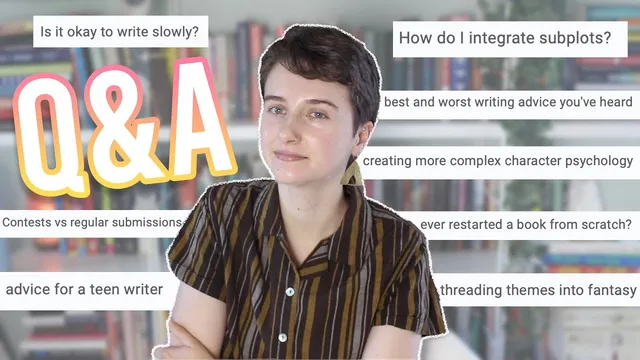
WRITING CRAFT Q&A🗯️best/worst advice, complex character psychology, subplots, etc!
Based on ShaelinWrites's video on YouTube. If you like this content, support the original creators by watching, liking and subscribing to their content.
Use specificity to make characters feel alive: anchor description in the specific emotions and experiences driving the scene.
Briefing
Writing craft advice that sticks, character psychology that feels real, and revision strategies that reduce panic all come down to one recurring principle: trade tidy rules for specificity, complexity, and deliberate craft choices.
On the best and worst advice front, specificity is treated as the most practical lever. Rather than aiming for “universal” statements or polishing generic description, the guidance is to build characters that feel alive by anchoring scenes in a specific experience—especially by focusing descriptive work on emotion and theme as they arise from that particular moment. That approach also helps writers cut “purple prose,” shifting attention from how something sounds to what it’s actually conveying.
The worst advice is framed as anything that turns writing into absolutes or demonizes techniques based on personal taste. Writing is portrayed as closer to theory and experimentation than a science with an equation. The craft matters, but it’s not one-size-fits-all; the infinite variety of books is part of what makes the work rewarding.
Subplots trigger a different kind of reframing. Instead of treating subplots as separate “side” tracks, the advice is to think in threads that all manifest the same underlying plot concept. If a thread never intersects—directly or through shared tension—then it may not belong. The practical goal is weaving: events in one thread should feed tension, meaning, or momentum in another, so the story builds potential energy across multiple lines.
Character psychology gets a similarly anti-clean approach. Complex psychology isn’t achieved by mapping clean cause-and-effect chains (“this happened, so they are like this”). The guidance is to embrace messiness: people hold contradictory beliefs and layered wants, and therapy often exists because those roots don’t resolve into neat explanations. On the page, that means tracing concrete events into many evolving emotional responses—so the psychology becomes a web of questions rather than a tidy answer. The character’s past doesn’t just explain; it complicates.
Writing pace and process also come up. Writing slowly isn’t treated as a lack of skill; speed doesn’t automatically equal quality. The speaker describes taking time in editing, letting drafts “mature” over long gaps, and knowing a book is ready when it stops improving between revisions. To manage the downtime, multiple books can be kept in different stages at once.
For editing fear, the solution is structural safety and layered work. Save every draft so writers can revert if a big developmental edit makes things worse. Then plan edits scene-by-scene with detailed outlines for each revision pass, rather than trying to fix everything at once. Editing is described as renovation: tearing down and resetting parts can temporarily make the manuscript look worse before it becomes more coherent.
Finally, craft questions extend into teaching, workshops, and submission strategy. Teaching writing would blend what worked in university workshops with a more encouraging, story-first philosophy—grading should support the kind of unconventional work students want to write. For teen writers afraid to share, the advice is permission: sharing is optional until someone feels ready, and privacy is normal. For contests, flashier stories tend to stand out, while quieter pieces may fit better in general slush piles. Across all these answers, the throughline is consistent: build from what’s specific, let complexity show, and use craft tools to support—not replace—your creative instincts.
Cornell Notes
The strongest craft guidance centers on specificity and complexity rather than rigid rules. Writers are urged to create characters that feel alive by grounding description, emotion, and theme in specific experiences, cutting generic “purple prose.” Subplots should be treated as interwoven threads of the main plot so events in one line increase tension or meaning in another. For complex psychology, the key is resisting clean cause-and-effect explanations and instead portraying messy, contradictory inner lives that evolve from concrete events. Revision fear can be managed through saved drafts, detailed scene-by-scene edit plans, and the understanding that editing often gets worse before it gets better.
What makes “specificity” more useful than broad, universal writing advice?
Why does the advice treat “writing in absolutes” as harmful?
How should a writer handle subplots without losing cohesion?
What’s the difference between “explaining psychology” and “complicating psychology” on the page?
How can writers reduce fear during developmental editing?
What submission strategy fits different kinds of stories?
Review Questions
- Which parts of your draft rely on generic description or “universal” statements, and how could you rewrite them to reflect a specific experience and emotion?
- Where do your story’s threads intersect (or fail to intersect), and what tension or meaning does each thread add to the others?
- In your character arcs, do you resolve inner conflict into neat cause-and-effect, or do you allow messy, contradictory motivations to persist and evolve?
Key Points
- 1
Use specificity to make characters feel alive: anchor description in the specific emotions and experiences driving the scene.
- 2
Avoid absolutist writing rules that demonize techniques; treat craft as adaptable theory rather than a single equation.
- 3
Weave subplots as interdependent threads of the main plot so events in one line increase tension or meaning in another.
- 4
Build complex psychology by complicating cause-and-effect—concrete events should generate layered, sometimes contradictory inner responses.
- 5
Write slowly if needed; speed doesn’t automatically equal quality, and drafts can mature through long editing cycles.
- 6
Reduce editing fear by saving every draft, planning edits scene-by-scene, and working in layers rather than trying to fix everything at once.
- 7
Match submission strategy to story style: flashier work often fits contests, while subtler pieces may perform better in general slush piles.