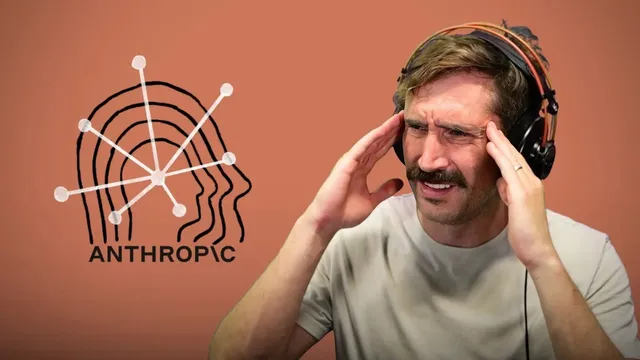
WTF Anthropic
Based on The PrimeTime's video on YouTube. If you like this content, support the original creators by watching, liking and subscribing to their content.
Anthropic restricted Claude Code subscription tokens so they can be used only with Claude Code, not third-party API requests.
Briefing
Anthropic has tightened access rules for its Claude Code “harness,” restricting paid API subscriptions so they can be used only with Claude Code—blocking third-party coding tools that previously worked by spoofing or “forging” requests. The change triggered a wave of backlash from developers who had relied on tools like Cursor and Open Code, with many scrambling to find workarounds and complaining that the enforcement arrived suddenly.
The controversy centers on a credential restriction: a token authorized for Claude Code cannot be used for other API requests. Until this week, some third-party tools reportedly managed to operate under Anthropic’s subscription terms by using the same underlying API token while sending requests with custom headers and payloads designed to mimic Claude Code’s expected traffic. That approach is described as fragile—dependent on undocumented behavior and prone to break when Anthropic changes safeguards. In practice, the terms of service for Claude Code had long discouraged this kind of API use outside Anthropic’s products, meaning the “surprise” may have been less about a new policy and more about enforcement finally catching up.
A related explanation comes from a claim attributed to the Claude Code operator on Twitter: Anthropic says it tightened safeguards against spoofing after accounts were banned for triggering abuse filters tied to third-party harnesses using Claude subscriptions. The operator also argues that third-party harnesses create unusual traffic patterns and lack the telemetry Claude Code provides, making rate-limit, usage, and account issues harder to debug. The practical effect is that when problems occur, developers may see them as Anthropic’s fault rather than the third-party tool’s—so Anthropic is now prioritizing consistent enforcement to protect supportability and reduce abuse.
Why enforce the restriction now? Cost is the most common theory, but the analysis here treats it as incomplete. The argument offered is that Anthropic’s real incentive is to make its entire stack “sticky”: if developers can only get the best token value through Claude Code, then Claude Code becomes the gateway product, and Anthropic captures more of the workflow value. That matters because Open Code is portrayed as rapidly growing toward one million monthly active users, and the speaker claims Claude Code’s usability has lagged—citing interface bugs like flickering and rendering glitches.
The transcript also advances a more speculative “tinfoil” view: Anthropic may be heavily subsidizing its higher-tier plans far beyond what pricing charts suggest, because model training and inference costs remain high and competitive pressure forces constant hardware upgrades. The claim is that new GPU generations and shifting model options create a continual arms race, so restricting third-party access helps preserve margins while steering users toward Anthropic-controlled tooling. The segment ends with a broader accusation that Anthropic leadership—named as Dario Amodei in the transcript—wants control over AI development and regulation, framing the enforcement as part of a larger effort to limit independence and keep developers dependent on proprietary systems.
Overall, the core takeaway is straightforward: Anthropic is moving from permissive “it works until it doesn’t” token usage to strict, terms-based enforcement, and the developer ecosystem is reacting as if a long-standing workaround has been cut off without warning—whether the timing reflects economics, product strategy, or both.
Cornell Notes
Anthropic tightened safeguards so Claude Code subscriptions can be used only with Claude Code, not with third-party coding tools that previously worked by spoofing Claude Code’s expected API request patterns. The restriction aligns with Claude Code terms of service that discouraged using subscription tokens for other API requests, and the enforcement followed account bans tied to abuse filters and missing telemetry from non-Claude harnesses. The transcript argues the timing may reflect more than cost—especially a push to make Anthropic’s stack the default workflow and to reduce support/debugging complexity. A more speculative layer claims heavy subsidies and ongoing hardware/model arms-race pressures could also be driving the move. Either way, developers relying on Cursor/Open Code-style integrations face a new constraint: pay for Anthropic, but use Anthropic’s tooling to get the benefit.
What specific change triggered the backlash around Anthropic and Claude Code?
How did third-party tools allegedly work before enforcement tightened?
What justification does Anthropic give for the enforcement?
Why might Anthropic enforce the rule now, according to the transcript’s analysis?
How does the transcript connect this to competition from Open Code?
What broader claim does the transcript make at the end?
Review Questions
- What does the transcript say about why spoofing-based third-party integrations are inherently fragile?
- How does the transcript connect missing telemetry to account bans and supportability?
- Which two non-cost explanations for “why now” are offered, and how do they differ?
Key Points
- 1
Anthropic restricted Claude Code subscription tokens so they can be used only with Claude Code, not third-party API requests.
- 2
Some third-party tools previously worked by spoofing Claude Code’s expected request patterns using the same subscription token, a method described as fragile.
- 3
Anthropic’s enforcement is linked to account bans triggered by abuse filters and to the lack of Claude Code telemetry in third-party harness traffic.
- 4
The transcript argues the timing may reflect stack “stickiness” and workflow capture, not just pricing pressure.
- 5
Open Code is portrayed as rapidly growing, making it a competitive driver for steering developers back to Claude Code.
- 6
A speculative claim suggests heavy subsidies and ongoing hardware/model arms-race costs could also motivate stricter control.
- 7
The transcript ends with a broader accusation about leadership preferences for proprietary control and regulation, centered on Dario Amodei.