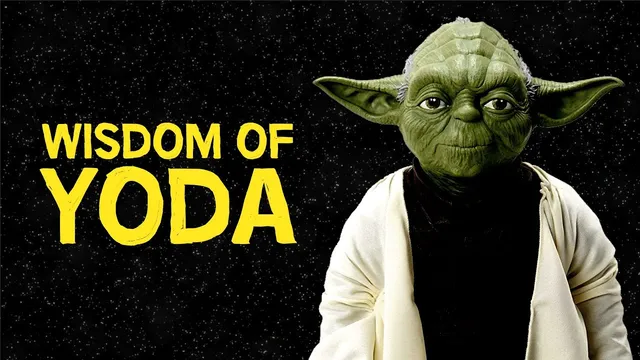
Yoda's Wisdom for Inner Peace (Star Wars Philosophy, Stoicism & Buddhism)
Based on Einzelgänger's video on YouTube. If you like this content, support the original creators by watching, liking and subscribing to their content.
Detachment is framed as a practical way to dissolve fear of loss, because clinging turns love into anxiety.
Briefing
Yoda’s Jedi teachings map neatly onto core lessons from both Buddhism and Stoicism: attachment breeds fear and suffering, inner steadiness matters more than excitement, fear is the gateway to moral collapse, and choosing “darkness” ultimately consumes the person who thinks they’re in control. Framed through Anakin Skywalker’s fall, the message lands as a warning about mental hygiene—how untrained emotions can steer even extraordinary power toward ruin.
The first principle, detachment, is presented as the antidote to the terror of loss. When people cling to others or outcomes, fear of losing them takes over. That dynamic is traced directly to Anakin’s secret relationship with Padmé, which the Jedi discourage because romantic attachment intensifies vulnerability. Anakin’s inability to regulate his feelings turns protection into obsession: visions of the future arrive alongside dread, and Yoda’s guidance—“Train yourself to let go of everything you fear to lose”—becomes the story’s central failed prescription. The result is a chain reaction: attachment feeds jealousy and greed’s shadow, and fear of separation becomes the engine of his turn.
The second principle, equanimity, is treated as both a discipline and a means of staying aligned with the “light side.” Jedi life is described as selfless service rather than a pursuit of thrills. Yoda’s line about not craving “Adventure” or “Excitement” is used to argue that calmness, meditation, and mindfulness are practical tools for detecting anger, hatred, and other destabilizing emotions before they take root. The transcript links this to Stoic eudaimonia: inner tranquility matters, but the deeper aim is virtue—acting well while maintaining emotional balance.
The third principle, fear leads into darkness, is built around Yoda’s famous sequence: fear → anger → hate → suffering. Anakin’s childhood trauma—growing up enslaved on Tatooine, losing his mother Shmi—creates a fear of abandonment that later intensifies around Padmé. The future becomes a psychological battleground: not just a place where death happens, but a source of anxiety that Anakin tries to control. That obsession breeds resentment toward perceived threats, including Obi-Wan Kenobi and the Jedi Order itself. The Emperor then exploits the opening, turning fear into leverage until Anakin’s emotions become his master.
The final principle, darkness will consume us, shifts from psychology to consequences. The dark path is portrayed as seductive and undemanding, aligned with domination and passion rather than disciplined reason. It may promise pleasure, but it carries a compounding cost: in Buddhist terms, it deepens the cycle of samsara through desire, aversion, and ignorance; in Stoic terms, it follows the logic of vice—foolishness, injustice, cowardice, and intemperance—ending in suffering. Anakin’s increasing misery and loss of control illustrate the pattern. Even after Padmé’s death, grief and “toxic guilt” make him easier to manipulate, showing that darkness harms others as well as the self.
The closing takeaway ties the fictional arc to modern stakes: with humanity’s capacity for large-scale destruction, keeping one’s “faculty in order” becomes urgent. The transcript’s core claim is that untrained minds and unchecked emotions don’t just damage individuals—they create cascading harm.
Cornell Notes
Yoda’s Jedi wisdom is presented as a practical emotional framework that overlaps strongly with Buddhism and Stoicism. Detachment is offered as the way out of fear: clinging to people or outcomes turns loss into anxiety, and anxiety into destructive behavior. Equanimity—cultivated through meditation and mindfulness—supports virtue and helps prevent anger and hatred from taking over. The transcript then traces a causal chain in Anakin Skywalker’s fall: fear of abandonment and the future becomes anger, then hate, then suffering, which the Emperor exploits. Finally, it argues that choosing “darkness” doesn’t just tempt—it consumes, deepening suffering through desire, aversion, and ignorance (Buddhist samsara) and through vice (Stoic categories).
How does attachment turn into suffering in the Anakin–Padmé storyline?
Why is equanimity treated as a discipline rather than an end in itself?
What is the transcript’s explanation of how fear becomes darkness?
What makes the dark path “consuming,” according to the transcript?
How does the transcript argue that darkness harms more than the self?
Review Questions
- Which emotional mechanism links attachment to jealousy and fear of loss in the Anakin–Padmé arc?
- How does mindfulness function as a protective practice in the Jedi framework, and how is that compared to Stoic aims?
- In the transcript’s causal chain (fear → anger → hate → suffering), where does the Emperor intervene, and why does that matter?
Key Points
- 1
Detachment is framed as a practical way to dissolve fear of loss, because clinging turns love into anxiety.
- 2
Jedi equanimity is treated as a means to pursue virtue and justice, not as a lifestyle built around excitement or thrill.
- 3
Mindfulness and meditation are presented as early-warning systems that help prevent anger and hatred from taking over.
- 4
Fear is described as a chain reaction—fear breeds anger, anger breeds hate, and hate culminates in suffering.
- 5
Anakin’s trauma and obsession with controlling the future are used to explain why fear becomes his vulnerability to manipulation.
- 6
The dark path is portrayed as seductive but compounding: it promises pleasure while steadily eroding agency and increasing suffering.
- 7
The transcript closes by applying the fictional lessons to real-world risk, arguing that mental discipline is essential when power can cause large-scale harm.