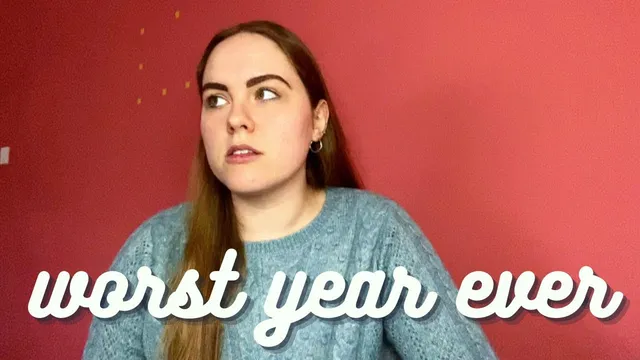
2020 Life Audit: Why I didn't meet my Goals - Reflecting on the past year - Personal Development
Based on Ciara Feely's video on YouTube. If you like this content, support the original creators by watching, liking and subscribing to their content.
Feely’s central lesson is that goals need to be scheduled around the infradian rhythm, not just placed on a calendar.
Briefing
The year’s biggest takeaway is that Ciara Feely’s goal-setting and productivity improved only when it stopped being a rigid calendar exercise and started matching her body’s monthly cycles—especially the infradian rhythm. After months of inconsistent follow-through, she credits “In the Flow” with reframing mood swings as hormone-linked fluctuations rather than evidence of a deeper mood disorder, and she now wants to redesign her planning around the rhythm’s phases so actions, not just intentions, line up with when she’s most able to execute.
Her 2020 “life audit” runs through the wheel of life—career, finances, physical and mental health, relationships, home, personal development, and recreation—then zooms in on why goals stalled. In career, she lists major academic wins: two conference papers accepted, a second-author journal paper pending, and passing her stage to transfer. She also built momentum through scientific communication—starting a YouTube channel, reaching monetization in six months, and growing to 7.5k+ subscribers with 200,000+ channel views and 17,000 watch hours. Public-facing milestones followed, including a podcast appearance and speaking at a conference for PhD students, even though she says public speaking is outside her comfort zone.
Financially, monetization translated into tangible progress: her first 1,000 euro from YouTube, paying off her master’s, saving over 10,000 euro, and reaching a steady 2,500 euro per month. She attributes some savings to pandemic-era changes—fewer expenses and canceled holidays—but still identifies a key next step: returning to a budget and sticking to it.
Mental health is described as better than ever, despite a period when many people struggle. She links that shift to understanding infradian-linked emotional variability and notes one remaining challenge: imposter syndrome, which she believes is common among PhD students. Physical health, by contrast, slipped after March; she went from walking 20,000 steps daily, gym attendance, and meal prepping to less consistent habits, with back discomfort becoming a concern. Her home life includes gains (a functional kitchen and a successful work-from-home office) alongside clutter she wants to tackle.
Relationships and personal development show mixed momentum. She frames surviving an unintentional long-distance stretch with her boyfriend as a win, though lockdown work schedules reduced time together. Family routines also weakened as lockdowns ebbed and flowed, especially after her sister moved out. For personal growth, she leans on Audible books and a MasterClass subscription, but her central development theme remains building daily routines around the infradian rhythm.
The goals section ties everything together. Using the 12-week year strategy, she met only one goal during the last cycle—passing her transfer stage—because weekly actions didn’t match her monthly energy patterns. She now plans to replace 12-week targets with four-week systems (monthly or four-week goals) aligned to infradian phases: planning and filming in the follicular period, filming and communicative tasks in ovulatory/communication phases, editing and lower-energy work in luteal, and reflection and impact review in menstrual. She also wants consistency on YouTube—batching a small number of videos during optimal phases and spreading uploads across the month—so dry spells don’t erase progress. Beyond personal productivity, she’s also developing a productivity-based startup and a future co-working/accountability service, while noting a major career shift: she became sole director of a theatre school after the founder’s death and expanded online programming during the pandemic.
Overall, the audit’s message is practical: progress comes from designing actions around real constraints—hormonal cycles, work rhythms, and life logistics—rather than forcing the same weekly routine onto every phase of the month or every quarter of the year.
Cornell Notes
Ciara Feely’s 2020 life audit argues that goals fail when they’re planned without matching her monthly infradian rhythm. She credits “In the Flow” for helping her interpret mood changes as hormone-linked fluctuations rather than signs of a mood disorder, which improved her mental health. Career and finances show measurable wins—accepted papers, YouTube monetization in six months, 7.5k+ subscribers, and a steady 2,500 euro/month—yet she admits inconsistent uploading and weak follow-through on 12-week goals. For 2021, she plans a four-week goal system tied to the rhythm’s phases: plan in follicular, film communicative content in ovulatory/communication, edit and do low-energy tasks in luteal, and reflect and review impact in menstrual. The result she wants is consistency, better budgeting, and routines that make other areas of life “fall into place.”
What changed Feely’s approach to mental health and goal execution in 2020?
Which career milestones does she list as concrete wins, and why do they matter to her?
How did her finances improve, and what’s the next habit she wants to rebuild?
What did she say went wrong with her 12-week goal strategy?
How does she plan to schedule YouTube work around infradian phases?
What personal-life areas does she flag for improvement beyond productivity?
Review Questions
- Which infradian phases does Feely associate with planning, filming, editing, and reflection—and what specific tasks does she assign to each?
- Why does she argue that 12-week goal cycles didn’t work for her, and what alternative time horizon does she propose?
- List three measurable 2020 wins from career or finances and explain what habit or system she says enabled them (or what system she says would improve consistency next year).
Key Points
- 1
Feely’s central lesson is that goals need to be scheduled around the infradian rhythm, not just placed on a calendar.
- 2
Understanding infradian-linked mood changes through “In the Flow” improved her mental health and reduced fear that her emotional variability signaled a disorder.
- 3
Career progress combined academic milestones with scientific communication, including YouTube monetization in six months and public speaking opportunities.
- 4
Financial stability improved through YouTube income and disciplined saving, but she wants to rebuild a budget habit for 2021.
- 5
Physical health declined after March, and she plans to restore daily movement, stretching, and meal prepping to protect her back.
- 6
Relationships and family routines weakened as lockdown patterns shifted, so she wants more consistent time together and better prioritization.
- 7
For 2021, she plans four-week goal cycles tied to infradian phases to fix inconsistent follow-through and improve YouTube upload consistency.