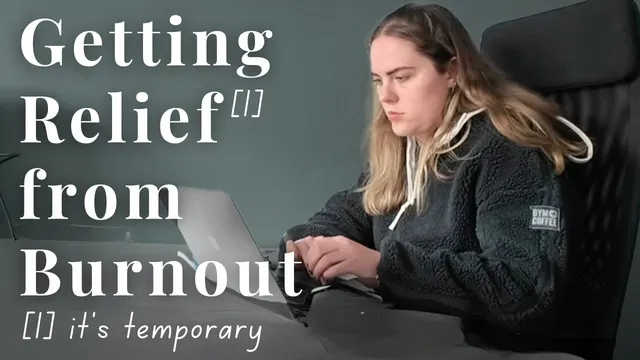
How to be Productive in Burnout - Recovery Vlog
Based on Ciara Feely's video on YouTube. If you like this content, support the original creators by watching, liking and subscribing to their content.
When burnout fatigue hits, prioritize intentional recovery activities (meal prep, cleaning, walks, enjoyable music) over distraction like phone scrolling.
Briefing
Burnout doesn’t always require a full stop—it often calls for a smarter kind of rest paired with practical structure. After a weekend spent editing and submitting a conference paper, Ciara Feely starts a new week already running on low energy: tired eyes, anxiety about a packed schedule, and even small breakdowns like a mouse that won’t connect. Rather than pushing through with more scrolling or forcing work immediately, she chooses an “off-ramp” for the afternoon—meal prep, cleaning, changing bedding, and resetting her space—so tomorrow doesn’t begin in clutter and mental drag.
A key turning point comes from the distinction between rest that actually recharges and rest that merely numbs. Phone scrolling, she says, reliably leaves her feeling worse and doesn’t make it easier to return to work. In contrast, she treats rest as something intentional: music she enjoys, chores that reduce visual stress, and a walk to acting class that doubles as a mood reset. Even when an extra rehearsal gets added last minute, she frames it as manageable because her baseline state has improved. By the time she’s home again, she’s able to feel “awake” rather than depleted, and she leans into the idea that recovery is not passive—it’s a set of choices that protect future focus.
Once she returns to work, the productivity strategy becomes concrete. When motivation is low, she keeps a running to-do list but breaks tasks into daily actions and—crucially—into specific steps. Vague items like “promote on socials” become sequences such as “create Instagram post” and “share details to Facebook groups.” She also groups tasks by context (email vs. at desk) to reduce the friction of switching. Effort level matters too: low-effort tasks are used as an entry ramp, medium-effort tasks follow, and high-effort tasks—often the ones tied to fear of feedback or emotionally loaded outcomes—get saved for later.
Her day illustrates how plans meet reality. Sorting payments for the current term takes far longer than expected, including troubleshooting website payment behavior and weighing alternatives to Stripe fees. Convenience wins for now because Stripe makes it easier to send payment links and automated reminders, even if it costs more. Still, she keeps moving, takes a break to prep for a meeting, and maintains momentum by returning to smaller, defined tasks.
In a brief “from the future” reflection, she adds that the conference paper was accepted, but she won’t attend because it’s in Mexico and she’s aiming to limit travel to Europe. The burnout period also becomes a catalyst: she identifies a need for an administrative assistant, especially after recognizing how hard it is to know what to do with time off. Overall, the takeaway is practical—when burnout hits, the fastest route back to productivity may be a deliberate reset now, followed by a task system that reduces ambiguity, matches effort to energy, and protects recovery time.
Cornell Notes
After burnout fatigue, Ciara Feely shifts from forcing work to choosing intentional recovery: meal prep, cleaning, and resetting her space instead of phone scrolling. She treats rest as something that restores readiness, not just distraction, and uses walks and enjoyable activities to rebuild energy. When work becomes unavoidable, she relies on a structured to-do system: break vague tasks into specific actions, group work by context (email vs. at desk), and sequence tasks by effort level (low-effort wins first, high-effort later). Her plan also adapts to reality—payment troubleshooting and Stripe fee concerns take longer than expected, but defined next steps keep her on track. The result is steadier progress without sacrificing recovery.
What does she do when she feels too tired or anxious to start work, and why does it help?
How does she turn vague productivity goals into tasks she can actually complete?
Why does she organize tasks by context and effort level?
What real-world obstacle derailed her schedule, and how did she respond?
How does she decide when to stop working for the day?
What does her later reflection add to the burnout lesson?
Review Questions
- When tasks feel resisted or emotionally heavy, what specific technique does she use to reduce friction before starting?
- How does she sequence tasks when energy is low—what roles do context and effort level play?
- What tradeoff led her to keep Stripe despite concerns about fees, and how did that affect her day’s progress?
Key Points
- 1
When burnout fatigue hits, prioritize intentional recovery activities (meal prep, cleaning, walks, enjoyable music) over distraction like phone scrolling.
- 2
Treat “rest” as something that restores readiness; clutter and passive distraction can make returning to work harder.
- 3
Convert vague goals into specific next actions so tasks feel digestible and clearly startable.
- 4
Group tasks by context (email vs. at desk) to reduce switching costs and maintain focus blocks.
- 5
Use effort-based sequencing: low-effort quick wins first, medium-effort next, and high-effort (often fear-linked) tasks later.
- 6
Expect plans to break—payment troubleshooting and platform issues can expand timelines, so keep moving with defined next steps.
- 7
Burnout recovery can require structural changes too, such as hiring an administrative assistant to reduce overload and make time off workable.