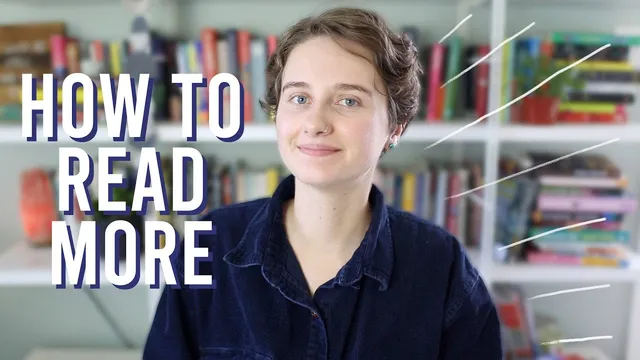
How to Read More (How I Read 70+ Books a Year!)
Based on ShaelinWrites's video on YouTube. If you like this content, support the original creators by watching, liking and subscribing to their content.
Rebuild attention span with timer-based reading sprints, starting small (5 minutes) and increasing once focus holds.
Briefing
Reading more isn’t about finding a magic number of books—it’s about rebuilding focus, removing friction, and making sure the books you pick actually feel worth your time. After a slump around 2015–2016, when reading dropped to roughly 20 books a year, Jaylen traced the problem to a shrinking attention span and a mismatch between what was being read and what felt engaging. The fix wasn’t “read harder,” but retraining attention and restructuring daily habits so reading becomes the default choice.
A central strategy is rebuilding attention span through controlled practice. Jaylen recommends “reading sprints” using timers—starting as low as five minutes, then moving up to 15, 25, and 35 minutes once that focus feels manageable. The same approach works for denser books: commit to a set window (like 30 minutes) and keep reading until the timer ends, which creates momentum even when the material feels tough. Another focus booster is reading while waiting for something with a natural endpoint—like reading while roasting vegetables—because the task has a built-in finish line.
Distraction control is treated as the other half of the attention equation. The biggest culprit is the phone: keeping it within reach leads to automatic checking. The suggested workaround is practical—put the phone away (even in a drawer across the room), silence notifications, and keep laptops out of reach during reading sessions. For noise-sensitive readers, changing location can matter as much as changing behavior. Jaylen recommends finding a quieter spot such as a park, and for persistent background sound, using a white-noise app—rain sounds are described as especially effective because they blend into the background without pulling attention.
Motivation also hinges on book selection. When reading slowed, the root cause turned out to be genre fatigue: YA had been the default for years, but around age 18 it stopped feeling appealing. The remedy was to branch out and actively choose books that spark excitement—ideally picking specific titles you’re genuinely eager to read rather than chasing popularity or recommendations. Jaylen also argues that “easy” reading counts: short books, even poetry (often around 70 pages), can restart momentum during slumps. A personal example contrasts a dense, 500-page fantasy novel with a quick poetry read that can be finished in about 40 minutes, restoring the desire to keep going.
To sustain progress, social and tracking tactics help. Buddy reads with a friend or joining a book club add deadlines and shared discussion, while tracking reading provides a sense of accomplishment. Finally, Jaylen emphasizes pacing: reading extremely intermittently—weeks or months between sessions—prevents immersion and makes it harder to return. Setting goals based on how much a book can realistically be read in a day helps compress timelines without forcing unrealistic speed. The overarching message is tough but simple: reading grows when it’s prioritized over scrolling, not when it’s left to chance.
Cornell Notes
The core path to reading 70+ books a year is treating reading like a focus-and-habit system, not a talent. When attention collapsed, timers and “reading while waiting” helped rebuild concentration, while removing distractions—especially keeping the phone out of reach—made sessions stick. Motivation improved when book choices matched current interests; switching away from a fatigued genre (like YA) and picking titles the reader is genuinely excited about restored momentum. During slumps, short, easy options such as poetry can help someone finish a whole book quickly and restart engagement. Consistency is reinforced with buddy reads, tracking, and realistic goals that avoid long gaps between reading sessions.
How can someone rebuild a weak attention span for reading?
What are the most effective ways to eliminate distractions during reading?
Why does book choice matter as much as reading technique?
How can short books help when someone is stuck in a reading slump?
What tactics make reading more consistent over time?
Review Questions
- Which two changes—one behavioral and one environmental—are most emphasized for reducing distractions during reading?
- How does timer-based reading help with both dense books and attention training?
- What signs suggest that the current genre selection is contributing to a reading slump, and what adjustment is recommended?
Key Points
- 1
Rebuild attention span with timer-based reading sprints, starting small (5 minutes) and increasing once focus holds.
- 2
Read during “waiting” moments with natural endpoints to make starting easier and reduce friction.
- 3
Put the phone away and silence notifications; keeping it within reach reliably triggers distraction.
- 4
Choose books that match current excitement—switch genres or categories when motivation fades.
- 5
Use short, easy reads (like poetry) to restart momentum during slumps.
- 6
Boost consistency with buddy reads, book clubs, and reading trackers that create accountability and visible progress.
- 7
Set realistic pacing goals and avoid long gaps between reading sessions to maintain immersion.