My PhD has been on hold for 2 months | PhD Student Advice for Taking a Break from Your PhD
Based on Ciara Feely's video on YouTube. If you like this content, support the original creators by watching, liking and subscribing to their content.
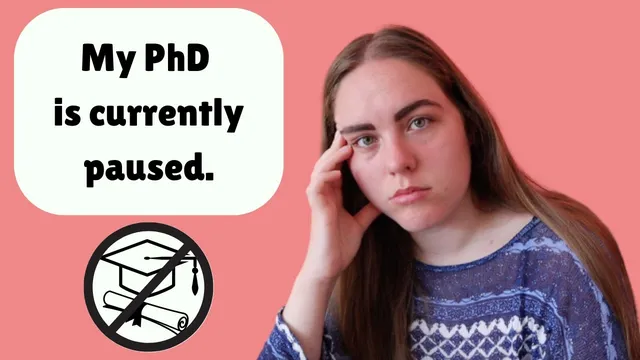
A full PhD pause can be a planned reset rather than a derailment, especially when tied to a required internship.
Briefing
Putting a PhD on hold doesn’t have to mean falling behind—it can be a planned reset that prevents burnout and restores motivation. After two months fully paused from PhD work (including a paused stipend and paused research), the core takeaway is that stepping away at the right time—especially when life circumstances demand it—can make returning to research feel more meaningful rather than more daunting.
In this case, the pause is tied to an internship requirement built into a computer science PhD program run through a center for research training. The funding structure matters: fees are supported by a research body in Ireland and industry partners, and students must complete a four-to-six month industry placement. That internship transition also explains the reduced posting schedule. Moving from a flexible PhD routine—where work hours can shift early mornings, evenings, or split schedules—to a corporate environment with different rhythms is a major adjustment, particularly for someone who also runs a business in their free time and relies on flexible scheduling.
The advice then broadens into a practical argument for breaks as a PhD survival strategy. Short breaks taken regularly every couple of months are framed as essential for avoiding burnout and illness, rather than saving all time off into one long stretch. Timing matters too: planning around the publishing pipeline and conference calendar can make the break more sustainable. A specific example is taking a full week off after submitting a paper, since submission weeks often involve heavier hours and leave little room to decompress.
For longer breaks, the guidance is conditional but pointed: if possible, an industry internship during the PhD can clarify career goals and reduce the risk of finishing the degree without understanding what industry work actually feels like. Even when an internship isn’t available, a leave of absence can still be worthwhile, though the outcome varies by person. Here, the author reports the “absence makes the heart grow fonder” effect—second year motivation dips are common, and stepping away for an internship has reignited drive and appreciation for the PhD.
The main risks of taking time off are also spelled out. One is losing touch with research momentum; another is negotiating the logistics with supervisors or administrators if the break isn’t standard in a given program. The suggested mitigation is planning early: align the break with major milestones, set expectations with supervisors on whether it’s a clean stop or includes small tasks, and avoid leaving unfinished work that creates stress right before the break.
Finally, successful breaks require infrastructure. The author recommends setting personal goals for what the break is supposed to deliver (e.g., industry experience, exposure to larger data sets), keeping a notebook to capture ideas that surface during downtime, and building an emergency fund—citing a Dave Ramsey-style rule of thumb of three to six months of expenses or at least €1,000—so unpaid leave doesn’t become financially impossible. The closing emphasis is behavioral: breaks should also be used to rebuild healthy routines, since returning to good habits can be harder than expected.
Cornell Notes
A planned break from PhD work—sometimes even a full pause—can prevent burnout and restore motivation, especially when the break is tied to a required internship. Regular short breaks every couple of months are recommended over saving all time off for one long stretch, and a full week after paper submission is suggested to recover from submission-week intensity. Longer breaks can be valuable for career clarity, particularly through industry placements that reveal what post-PhD work actually feels like. To make a break “successful,” the guidance stresses early planning with supervisors, clarifying whether any research tasks continue, setting goals, capturing ideas in a notebook, and having financial coverage via an emergency fund. Finally, time off should support healthy routines so returning to research doesn’t start from a depleted baseline.
Why are regular short breaks emphasized over one long holiday during a PhD?
What makes a post-submission break particularly important?
How can an industry internship function as a “long break” strategy?
What are the main downsides of taking time off, and how are they managed?
What concrete steps make a break easier to execute successfully?
Why does the advice stress emergency funds and habit rebuilding?
Review Questions
- What scheduling approach to breaks (short vs. long) best reduces burnout risk according to this guidance, and why?
- What should a student clarify with supervisors before a break to avoid losing momentum or creating stress?
- How do emergency funds and idea-capture (notebooks) support both the practical and creative sides of taking time off?
Key Points
- 1
A full PhD pause can be a planned reset rather than a derailment, especially when tied to a required internship.
- 2
Regular short breaks every couple of months help prevent burnout and illness more effectively than saving all time off for one long stretch.
- 3
Taking a full week after paper submission can reduce recovery debt from submission-week workload and support creative thinking for the next project.
- 4
Industry internships during a PhD can clarify career goals and reduce the risk of finishing without understanding what industry work is like.
- 5
Successful breaks require early planning with supervisors, including whether it’s a clean stop or includes small ongoing tasks.
- 6
Capturing ideas in a notebook during downtime helps convert “rest time” into future research momentum.
- 7
An emergency fund (e.g., three to six months of expenses or at least €1,000) protects the ability to take unpaid leave if needed.