What to do when you're feeling demotivated - Productivity Advice from a PhD Student
Based on Ciara Feely's video on YouTube. If you like this content, support the original creators by watching, liking and subscribing to their content.
Identify demotivation by testing whether the suspected cause is truly preventing action, not just creating a busy schedule.
Briefing
Demotivation doesn’t have to be treated as a personality flaw; it often comes from fixable, identifiable barriers—especially when routines, environments, and mental health drift out of alignment. For a second-year PhD student, the clearest turning point came after realizing the slump wasn’t primarily caused by the PhD itself. Instead, motivation dipped around making videos, and the path back started with diagnosing what was actually blocking action.
The first step was to locate the source of the demotivation by checking whether time constraints or life commitments were truly the culprit. Family time and busy drama-school responsibilities initially seemed like the explanation, but even when filming time existed, content still didn’t get made. That forced a deeper look at practical obstacles. One major barrier was the filming setup: the desk and room layout weren’t optimized, the camera background was distracting, and the student had to sit at awkward angles and rearrange items each time filming was needed. After shifting the desk so the background stayed consistent (including for Zoom calls), and making the ring light easier to access, filming became faster and less mentally costly—turning “setup friction” into a near non-issue.
A second barrier was schedule-related busyness. Without a designated filming window, motivation bled away into the week’s demands. The student responded with time blocking—freeing Sundays to film and then editing and uploading at least one video, while also planning additional filming for the week when possible. The emphasis wasn’t on squeezing productivity into every day, but on creating a reliable slot where rushing wasn’t required.
Physical and mental wellbeing emerged as another core driver. With the global pandemic still affecting daily life and drama-school commitments running high, the student reported skipping meals and exercising less. That created a feedback loop: feeling unmotivated made exercise harder, and not exercising further reduced motivation. The fix combined habit-building (meal prepping to prevent missed meals) with scheduling exercise into the day and rearranging space to make movement easier—walking a small dog wasn’t treated as sufficient exercise.
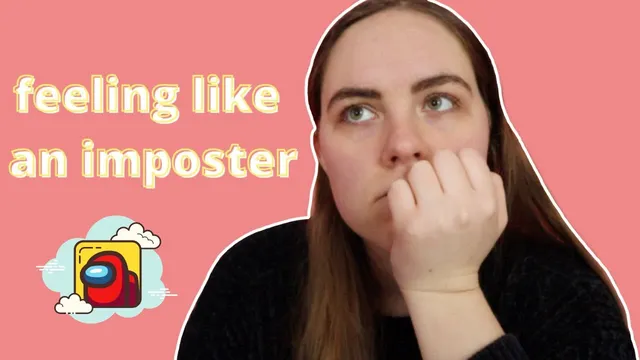
Finally, anxiety and imposter syndrome complicated creative work. Even with supportive feedback and growing visibility, filming felt stressful because positive attention paradoxically increased self-doubt. To counter that, the student leaned on advice from an Irish PhD creator on Instagram (Laura), including tracking achievements and identifying triggers for imposter syndrome. Mindfulness and using the Calm app were also mentioned as tools to manage the mental noise.
The last piece was direction: after Christmas, uncertainty about where the channel was headed fueled demotivation. The student recommended resetting goals and building a “vision” for the PhD or the channel—such as a vision board—so effort connects to a long-term purpose. For the channel, that purpose includes science communication as a potential career path and using the platform to motivate others while also getting through the PhD. The overall message is pragmatic: motivation improves when barriers are mapped, routines are redesigned, and goals are made visible.
Cornell Notes
Demotivation often comes from specific, solvable barriers rather than a lack of willpower. The student found that filming slumps weren’t mainly caused by the PhD or by being busy with family and drama school; action still didn’t happen even when time existed. Fixes included redesigning the filming space for consistency (desk background, ring light accessibility), time-blocking Sundays for filming and weekly editing, and rebuilding wellbeing through meal prepping and scheduled exercise. Anxiety and imposter syndrome also played a role, especially after positive feedback increased self-doubt, so mindfulness and achievement-tracking were used to steady motivation. Clear goals and a long-term vision board helped restore direction when the channel’s purpose felt unclear.
How did the student determine what was actually causing demotivation?
What concrete changes improved motivation for filming?
Why did scheduling matter, and what did the student change?
How did wellbeing affect motivation, and what habits were introduced?
What role did imposter syndrome play in demotivation?
How did the student address uncertainty about the channel’s direction?
Review Questions
- What are the difference between “assumed” causes of demotivation and “actual” barriers, and how can you test which one is true?
- Which two changes reduced friction the most for filming, and why would friction reduction increase follow-through?
- How can imposter syndrome turn positive feedback into additional stress, and what countermeasures were used?
Key Points
- 1
Identify demotivation by testing whether the suspected cause is truly preventing action, not just creating a busy schedule.
- 2
Reduce start-up friction by optimizing the physical environment for the task (consistent camera background, accessible lighting).
- 3
Use time blocking to create reliable windows for work so motivation doesn’t depend on finding time at random.
- 4
Protect mental and physical energy through habits like meal prepping and scheduled exercise, especially during long-term commitments.
- 5
Treat imposter syndrome as a trigger-based pattern; counter it with achievement tracking, mindfulness, and tools like the Calm app.
- 6
Rebuild direction by setting fresh goals and creating a visible vision (e.g., a vision board) for what the PhD or channel should lead to.
- 7
Connect day-to-day effort to long-term purpose, including concrete opportunities that the work can unlock.