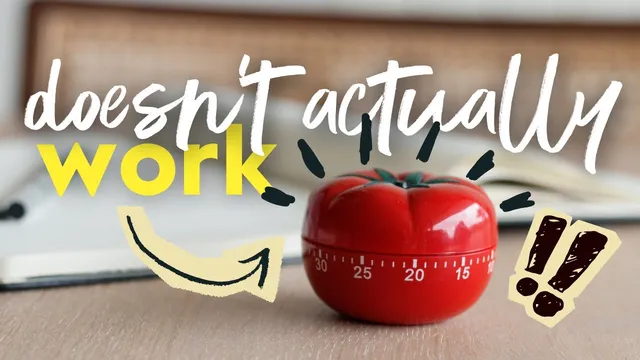
Why Time Management Doesn’t Work (And Never Really Did)
Based on Mariana Vieira's video on YouTube. If you like this content, support the original creators by watching, liking and subscribing to their content.
Time management often fails because it treats time as the bottleneck, even though everyone has the same 24 hours and daily capacity varies.
Briefing
Time management is widely sold as the fix for procrastination and low productivity, but the core claim here is that it rarely delivers—because it treats time as the problem when the real drivers are priorities, energy, and cognitive/emotional load. Since everyone gets the same 24 hours, copying another person’s schedule should not automatically produce the same results. Yet people still feel overwhelmed, burned out, and behind, which points to a mismatch between rigid planning systems and the reality that each day’s demands—and each person’s capacity—shift constantly.
A major culprit is overscheduling and overplanning. Traditional systems often assume the day will unfold according to plan, but tasks spill over, meetings run long, and emergencies or interruptions arrive from coworkers and messages. When that happens, the blame typically lands on “poor time management,” even though the underlying issue is that the plan didn’t account for changing conditions. The alternative proposed is to design schedules around priorities and around the person’s current energy, mood, and decision-making bandwidth—asking what matters most today and how to place tasks where they fit the day’s mental and emotional state.
The transcript also targets the productivity industry’s incentives. One-size-fits-all methods and the flood of apps exist because many tools monetize guilt and constant self-monitoring rather than sustainable progress. Habit trackers that emphasize past failure can create a negative “snowball effect”: less confidence leads to worse follow-through, which then reinforces the feeling of falling short. In contrast, productivity is framed as a positive feedback loop—accomplish something, gain motivation, then accomplish more.
Another critique focuses on checklist-style systems. Checking off tasks can trigger dopamine, and many apps are built around that quick reward. But the more important question is whether the day produced meaningful progress on high-impact projects—work that aligns with long-term goals or personal joy. A full calendar can make people feel productive and important even when the time is consumed by low-value tasks.
Burnout is tied less to time scarcity and more to context switching. Constantly moving between tasks—sometimes forced by workplace demands—adds cognitive load and decision fatigue. Emotional friction matters too: tasks that provoke anxiety tend to get postponed, leading either to poor performance or to delayed completion that erodes the benefits of finishing on time.
The takeaway is blunt: people aren’t really managing time so much as managing expectations, priorities, and energy. Progress comes from resisting micromanagement of tiny time blocks and instead using the day’s discomfort and chaos as information—spotting what truly matters when schedules break down. The transcript ends by emphasizing that surviving the “robot/work machine” pressure of modern life requires protecting attention for what brings joy and meaning, and it recommends Brilliant as an active-learning tool for building skills in short bursts (with a promotional offer).
Cornell Notes
The transcript argues that time management fails because it treats time as the bottleneck, even though everyone has the same 24 hours. Rigid scheduling breaks down when tasks spill over, interruptions hit, and daily energy and mood shift. Instead of overplanning, it recommends designing days around priorities and current energy—while accounting for cognitive load, decision fatigue, and emotional friction. It also criticizes checklist-driven productivity systems and habit trackers that emphasize past failure, warning they can create negative feedback loops. The practical goal is to focus on meaningful progress on high-impact work, not on keeping a full calendar or chasing dopamine from task checkmarks.
Why does the transcript claim time management doesn’t reliably increase productivity?
What’s wrong with overscheduling and overplanning, according to the transcript?
How should scheduling shift if the goal is to improve productivity?
Why does the transcript criticize checklist-based productivity apps?
What mechanisms link burnout to productivity systems?
What does “productivity as a snowball effect” mean here?
Review Questions
- What daily factors (beyond clock time) does the transcript say determine whether a schedule works?
- How do context switching and emotional friction contribute to postponement and burnout?
- Why might a full calendar feel productive while still failing to produce meaningful progress?
Key Points
- 1
Time management often fails because it treats time as the bottleneck, even though everyone has the same 24 hours and daily capacity varies.
- 2
Overscheduling breaks down when tasks spill over and interruptions force urgent work that wasn’t planned.
- 3
Effective scheduling should center on priorities and current energy/mood, not on rigid time blocks.
- 4
Checklist and habit-tracking systems can reward dopamine and guilt instead of meaningful, high-impact progress.
- 5
Burnout is linked to context switching, cognitive load, decision fatigue, and emotional friction—not just workload volume.
- 6
Productivity should be framed as a feedback loop: meaningful wins build motivation, while constant reminders of failure can create a negative spiral.
- 7
The practical goal is to manage expectations and attention toward what matters most, especially when schedules become chaotic.