Writing Experimental Fiction | Using Form in Your Writing
Based on ShaelinWrites's video on YouTube. If you like this content, support the original creators by watching, liking and subscribing to their content.
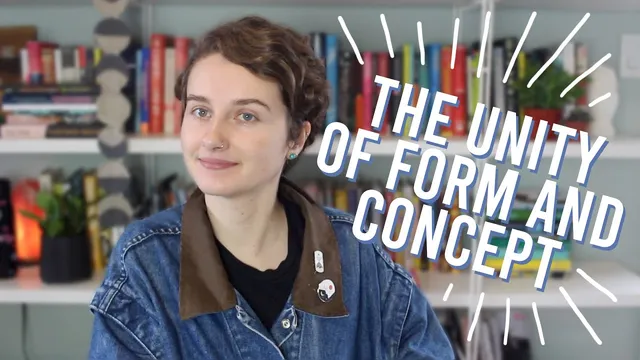
Form is inseparable from meaning: point of view, structure, style, language, and even line breaks should align with themes and ideas.
Briefing
Experimental fiction succeeds when form and meaning move together—not when style is treated like decoration. Form (the choices used to package a story) should be harmonized with the story’s themes, ideas, and even its emotional purpose. When the form feels like a cohesive part of the concept—so much so that the concept couldn’t exist without it—experimentation feels earned and impactful. When it feels frivolous or disconnected, the work tends to fall flat.
A useful way to think about this unity is to treat stories as having two inseparable components: what happens (content) and how it’s delivered (form). Form includes everything from point of view and tense to structure, style, language, and even line breaks or stanza organization. These elements don’t merely “support” the narrative; they are part of the narrative’s identity. Poetry is offered as a particularly strong training ground because it often relies on established forms—or invents new ones—where the structure and the subject are tightly interlocked.
Concrete examples make the idea easier to grasp. Franny Choi’s “Turing Test” uses an interview format to match its concept: an interview with a robot or cyborg. The Q-and-A structure isn’t just a container; it’s the mechanism through which the themes are staged. Kelsey Lotter’s “Insta” tells a mother–daughter relationship breakdown through Instagram posts, including photo descriptions and captions, with second-person narration that fits the act of looking at oneself in an image. The same underlying story could be told in a more conventional first-person scene-based style, but the Instagram form changes what the story can do—its logic, its perspective, and its texture.
From there, three practical principles guide experimentation. First is point of view. For experimental work, point of view is described as a backbone: it’s the “vessel” for the story’s form. Rather than limiting choices to the familiar first/second/third categories, the advice is to treat point of view as an infinite spectrum and build a unique one for each story. Writing across many tense and point-of-view combinations helps develop a flexible “muscle,” and the right choice can unlock themes and character nuance that a standard perspective would miss.
Second is internal logic. Even the wackiest experimental forms need consistency within their own rules. Sudden, unexplained shifts—like switching from first person to third person and back—can break that logic and weaken impact, especially when the change feels like a workaround. A personal example illustrates how aligning tense with the narrator’s situation can make the story easier to write once it feels inevitable.
Third is to start from what already exists in the story. If a character is a stage actress, formatting the piece as a play—with acts, dialogue conventions, and stage directions—can be a natural extension of the character’s lived perspective. Finally, the emotional experience matters. Form should reflect how the story feels to the character and, by extension, how it should feel to readers. One novel uses recurring images to create disintegrating reality; another uses heavy, detailed traditional scenes to mirror a character’s mythologized life and control over her legacy, while a different draft uses short, airy vignettes to match a ghostly, floating way of experiencing moments.
Cornell Notes
Form in fiction isn’t just packaging; it’s fused with meaning. Experimental writing works best when the chosen structure, point of view, tense, and language are harmonized with the story’s themes and emotional purpose. Poetry is recommended as a strong model because its form often directly serves its concept. Practical guidance centers on three pillars: build a flexible point of view (beyond first/second/third), maintain internal logic so experimental rules stay consistent, and derive form from elements already present in the story (like a stage actress prompting a play format). Ultimately, the narrative’s form should match how the character experiences the world, shaping how readers feel it too.
What does “unity of form and concept” mean, and why does it matter for experimental fiction?
How does the transcript use examples to show form-concept alignment?
Why is point of view treated as the “backbone” of experimental fiction?
What is “internal logic,” and what goes wrong when it’s missing?
How can writers decide what experimental form to use if they don’t know where to start?
How does emotional experience influence form choices?
Review Questions
- How would you test whether your chosen form is truly “harmonized” with your story’s concept rather than just decorative?
- What internal logic rules would you define for an experimental point of view you’re considering, and how would you prevent mid-story rule-breaking?
- Pick one character trait or existing structure in your story. What form choice could naturally emerge from it, and why would that form deepen theme or feeling?
Key Points
- 1
Form is inseparable from meaning: point of view, structure, style, language, and even line breaks should align with themes and ideas.
- 2
Experimental fiction lands when the form feels like part of the concept, not a detachable flourish.
- 3
Treat stories as two linked components—content (what happens) and form (how it’s packaged)—and design them together.
- 4
Build point-of-view flexibility by practicing many tense/POV combinations, since POV choices can unlock themes and character nuance.
- 5
Maintain internal logic inside the experimental rules; avoid abrupt, unexplained shifts that feel like workarounds.
- 6
Choose experimental form by starting with what already exists in the story (character roles, recurring structures, natural “containers”).
- 7
Let the narrative’s emotional experience guide form decisions so the reader feels what the character experiences.