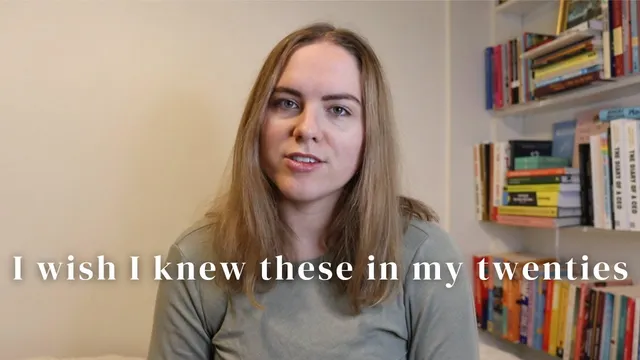
6 Important Life Lessons I Learned in 2024
Based on Ciara Feely's video on YouTube. If you like this content, support the original creators by watching, liking and subscribing to their content.
Grieving the life you thought you’d have is a normal step when goals change, and it deserves emotional space rather than denial.
Briefing
2024’s biggest takeaway is that major life changes often begin with loss—especially the loss of the future someone thought they were building. The year forced a reckoning with plans that no longer fit: a once-clear vision of becoming a “Google hot shot,” and the idea of balancing academic work with running a company. Letting those goals go didn’t erase the grief attached to them. Instead, it triggered a mourning phase—an emotional adjustment to the life that was imagined but can’t be lived as planned. Drawing on the idea of “winter” and seasons of life, the message is that grief isn’t only for endings; it’s also for versions of yourself that stop serving.
A second, more practical lesson follows: the life that feels meaningful is often closer than people assume, and waiting for a later version of happiness can become a trap. In her reflection, she found that conventional markers of achievement—business milestones, publishing papers, earning money—didn’t create a sense of completion. What did bring achievement was smaller, immediate progress: beating her partner Jack in snooker, improving skills through practice, learning piano after years away, getting back into yoga poses, and performing memorized lines on stage. The point isn’t that big goals don’t matter; it’s that happiness and fulfillment depend on what can be protected now—yoga classes, time with a partner, time with a dog and family, and visits with her dad—because those opportunities may not be available later.
That “now” focus becomes urgent when discontentment turns into something deeper. The year brought escalating anxiety, burnout, and depression—described as a plunge into “ice cold water.” Rather than treating the emotions as random or purely negative, she frames them as a form of validation: the body and mind finally naming what was happening. The turning point was realizing that the current work path no longer offered a believable “light at the end of the tunnel.” Without a hopeful future tied to the job, the options narrowed to either accept worsening conditions or leave. The lesson is blunt: sometimes things have to get worse before they can get better, and recognizing the pattern can be the catalyst for change.
From there comes a theme of courage under pressure. Making a major choice—like leaving a company—feels terrifying, particularly for people pleasers and perfectionists who fear disappointing others. She contrasts “a thousand cuts” of incremental changes with the clarity of one decisive move, arguing that others will adapt faster than the person making the sacrifice expects. The emotional math shifts when she lands on a priority she calls non-negotiable: she is the one who will be affected long-term.
The final lessons tie the emotional thread together: live for the self rather than for other people’s approval, anchor anxiety by focusing on what’s happening right now, and deliberately seek “power of moments” through experiences—weddings, travel, theater, yoga workshops, and periods of joy that reshape what’s possible. By the end, the tone is not despair but recalibration: she calls herself “in my villain winter,” expecting a different feeling by the next year, after the necessary hard season has done its work.
Cornell Notes
The core message from 2024 is that meaningful change often starts with grieving the life you thought you’d have. Letting go of earlier ambitions can hurt, but it clears the way to redefine success around what creates real achievement and contentment now—not just later. When discontentment escalates into anxiety, burnout, and depression, the emotions can function as a warning system, especially when the future tied to a job no longer feels hopeful. That recognition can make a major decision—like leaving—feel both necessary and ultimately less catastrophic than fear predicts. The year also reinforces practical coping: focus on what’s happening right now to interrupt spirals, and protect moments that genuinely bring joy.
Why does “grieving the life you thought you wanted” matter, and what does it look like in practice?
How does she redefine “achievement” when business success doesn’t feel fulfilling?
What does “the life you want is closer than you think” mean for day-to-day planning?
How does she distinguish happiness from contentment, and why does that distinction matter?
What role do anxiety, burnout, and depression play in her decision-making?
What tools does she offer for dealing with spirals and fear about the future?
Review Questions
- Which earlier ambitions did she abandon in 2024, and how did grief show up after those changes?
- What examples does she use to demonstrate that achievement can be simple and immediate rather than status-based?
- How does she connect “winter” periods of discontentment to major life decisions and coping strategies?
Key Points
- 1
Grieving the life you thought you’d have is a normal step when goals change, and it deserves emotional space rather than denial.
- 2
External success (money, publications, business milestones) may not create fulfillment; progress in skills and meaningful moments can matter more.
- 3
Protect what you need now—relationships, health routines, and time with family—because future access to those things is never guaranteed.
- 4
Discontentment can be a long-term state; when it escalates into burnout and depression, it can signal that the current path is no longer sustainable.
- 5
When the future tied to a job no longer feels hopeful, fear can shift into clarity, making major decisions feel necessary.
- 6
People-pleasing and perfectionism can make change feel like a disaster, but others often adapt faster than the person leaving expects.
- 7
To interrupt anxiety spirals, focus on what’s happening right now using grounding techniques and the “not happening now” mantra.